


.webp?x-oss-process=image/resize,w_800/quality,q_100)
.webp?x-oss-process=image/resize,w_800/quality,q_100)
Did you know that biochar can be made from a wide variety of materials?
Dec 31, 2024
Did you know that biochar can be made from a wide variety of materials?
Did you know that biochar can be made from a wide variety of materials? It's not just limited to one or two sources. Agricultural waste like straw and husks, which are often left unused, can be transformed into valuable biochar. Forest residues, such as branches and leaves, also play a significant role. Even certain types of municipal solid waste can be processed to produce biochar. This diversity in raw materials not only provides flexibility in production but also contributes to waste reduction and environmental sustainability. Join us in exploring the multiple possibilities of biochar production!
1. Agricultural Residues: The Core Feedstock Category
Agricultural waste is the primary and most widely used feedstock for biochar. It is abundant, low-cost, and represents a valuable "upcycling" of by-products that might otherwise be burned or left to decompose, causing pollution.
| Feedstock Sub-Category | Specific Examples | Characteristics & Pyrolysis Advantages | Important Considerations |
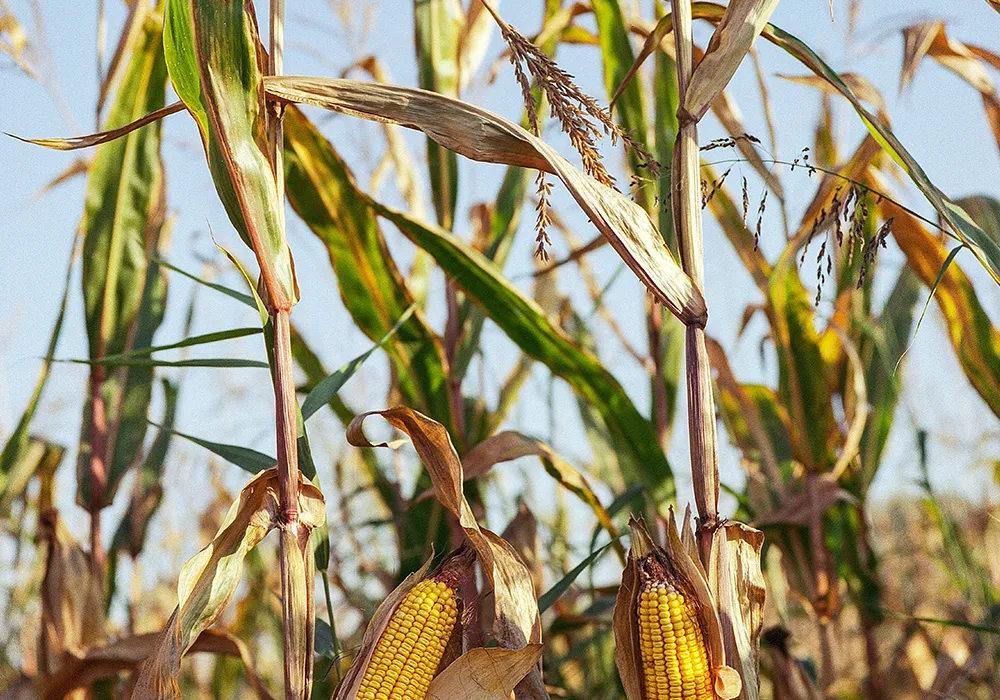
| Crop Straws & Stalks | Corn stover, Rice straw, Wheat straw, Barley straw | High in cellulose (30-45%), moderate lignin. Produces biochar with good porosity for soil amendment. Immense, sustainable global supply. | Must be dried to <20% moisture content. Rice straw has high silica content, which can increase biochar's abrasion resistance. |
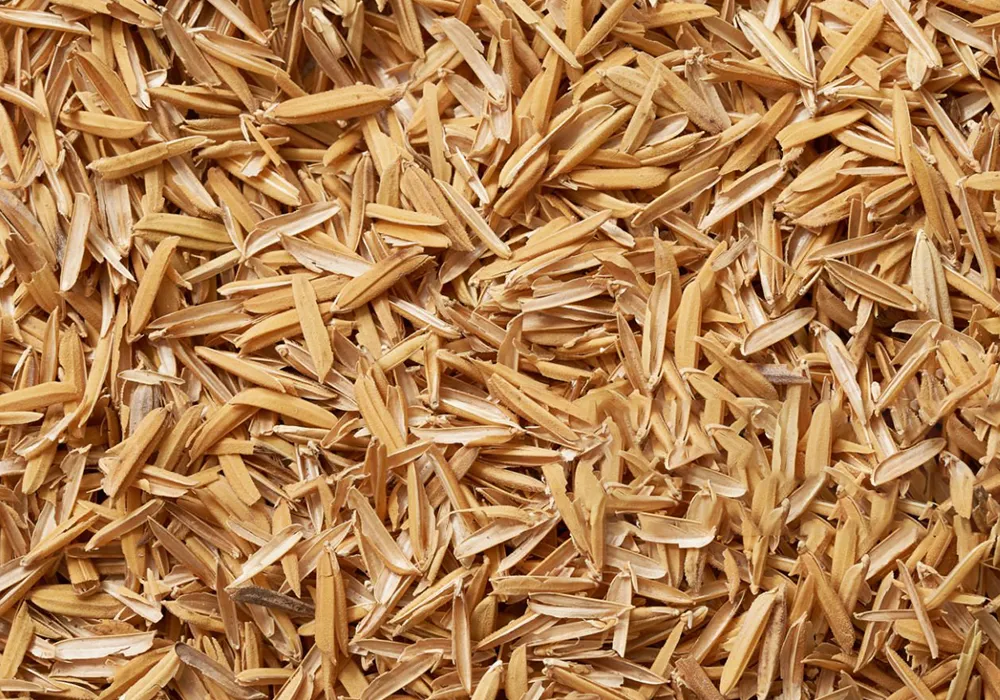
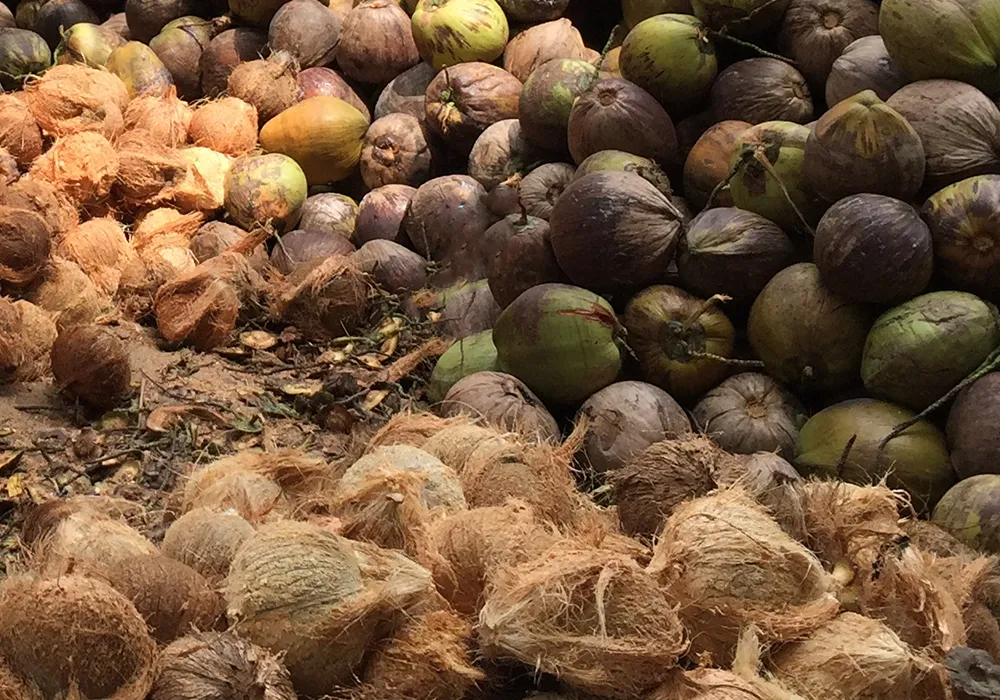
| Agro-Processing Byproducts | Peanut shells, Walnut shells, Coconut shells, Rice husks, Sunflower hulls | High lignin content (25-40%) and carbon density. Yields dense, highly porous biochar with excellent adsorption properties for water treatment or heavy metal immobilization. | Hard shells (coconut, palm) require shredding. Rice husks are rich in silica (15-20%), creating a "silica-enhanced" biochar. |
| Livestock Manure | Cattle manure, Poultry litter, Swine manure | Contains organic matter and nutrients (N, P, K). Biochar acts as a carbon sink and a slow-release fertilizer carrier, boosting soil fertility. | Requires thorough drying (<15% moisture) and sanitization to eliminate pathogens. Avoid manure with antibiotic or heavy metal contamination. |
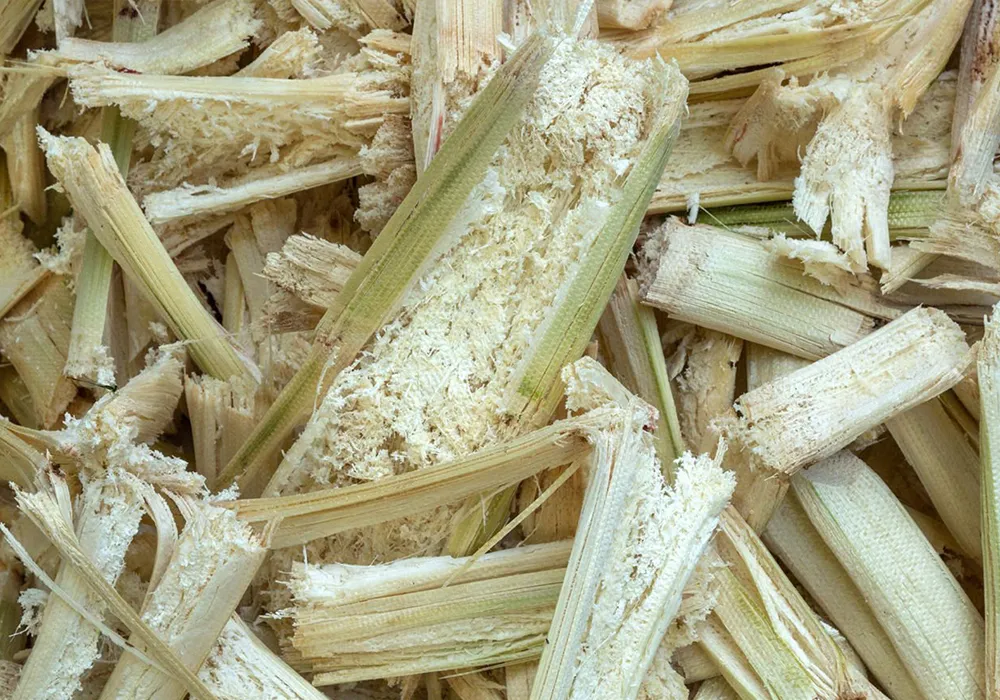
| Commercial Crop Waste | Bagasse (sugar cane), Beet pulp, Tobacco stalks, Coffee grounds, Tea waste | High cellulose/hemicellulose; fast pyrolysis. Coffee grounds and tea waste contain oils, allowing for concurrent bio-oil recovery. | Bagasse/beet pulp have very high initial moisture (60-70%) and need pressing/drying. Coffee grounds may require caffeine extraction at large scale. |
Agricultural Residues |
|||
| Crop Straws & Stalks | Agro-Processing Byproducts | Livestock Manure | Commercial Crop Waste |
|
Corn straw |
Rice husk |
Cattle manure |
Bagasse |
|
Sorghum stalk |
Coconut shell |
Poultry litter |
EFB (Empty Fruit Bunch) |
|
Grain straw |
Peanut shell |
Swine manure |
Palm Fiber |
|
Cotton stalk |
Walnut shell |
Sheep/Goat manure |
Palm shell |
|
Wheat straw |
Hazelnut shell |
Duck manure |
Beet pulp |
|
Barley straw |
Olive kernel shell |
Horse manure |
Tobacco stalks |
|
Oat straw |
Peach kernel |
Rabbit manure |
Coffee grounds |
|
Soybean stalk |
Hawthorn seed |
Tea waste |
|



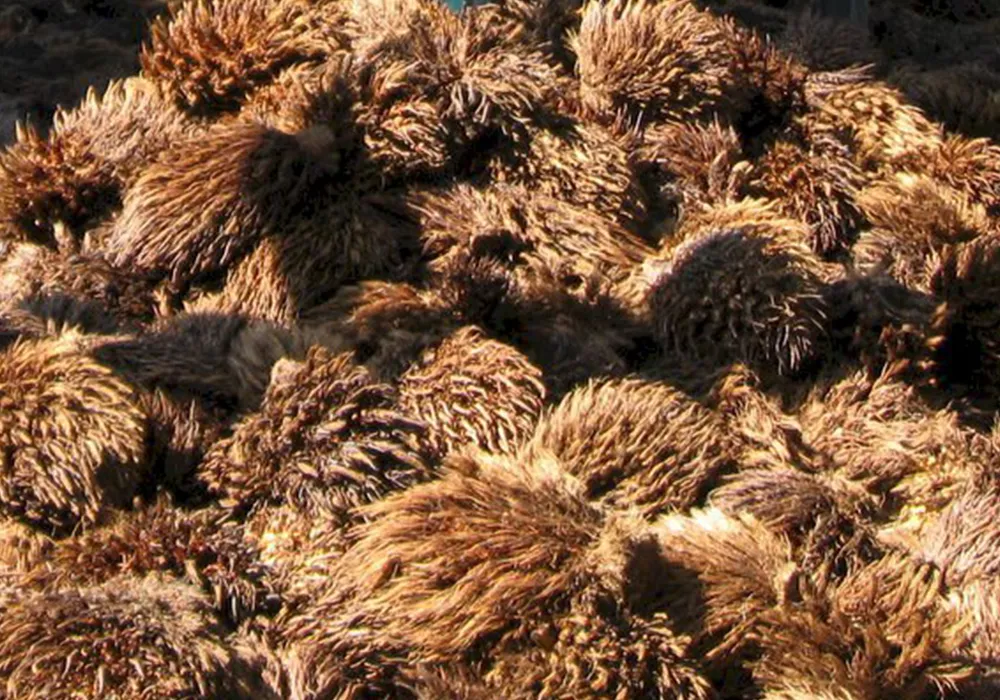
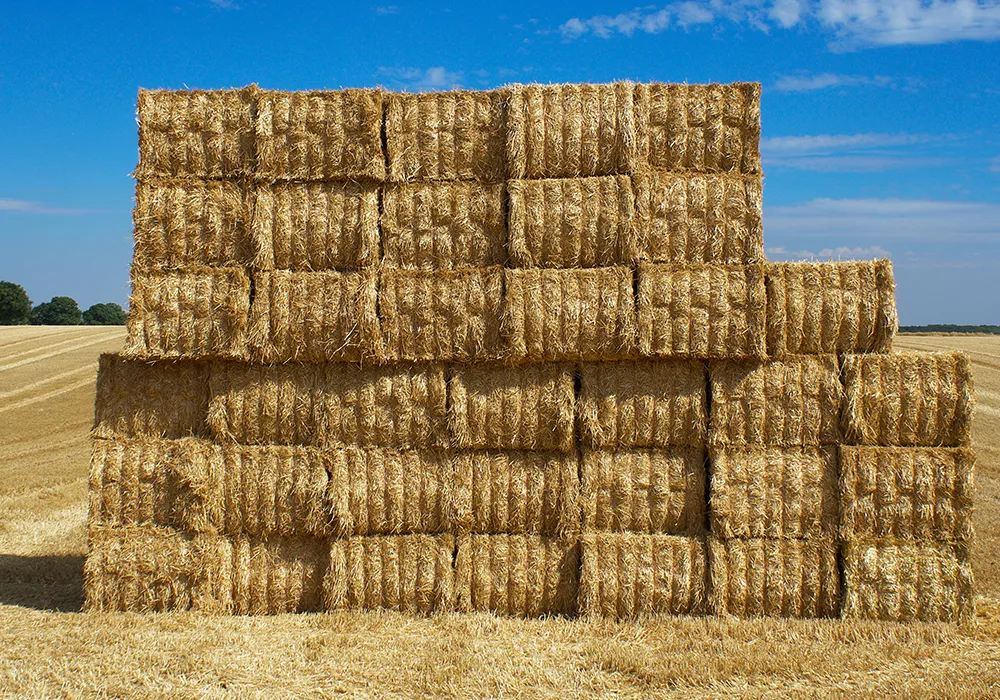


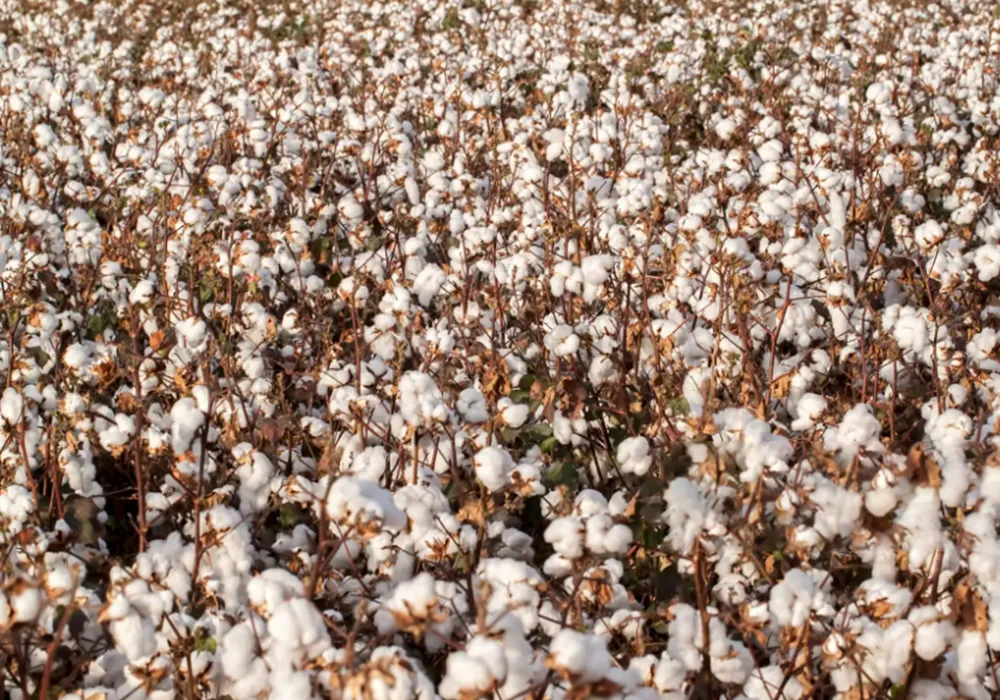


2. Forestry & Wood Waste: Premium, High-Carbon Feedstock
Forestry-derived materials are prized for their high carbon density and low contamination. Biochar from these feedstocks is exceptionally stable (sequestering carbon for centuries) and has superior physical properties, making it ideal for high-end soil amendments and industrial adsorbents.
| Feedstock Sub-Category | Specific Examples | Characteristics & Pyrolysis Advantages | Important Considerations |
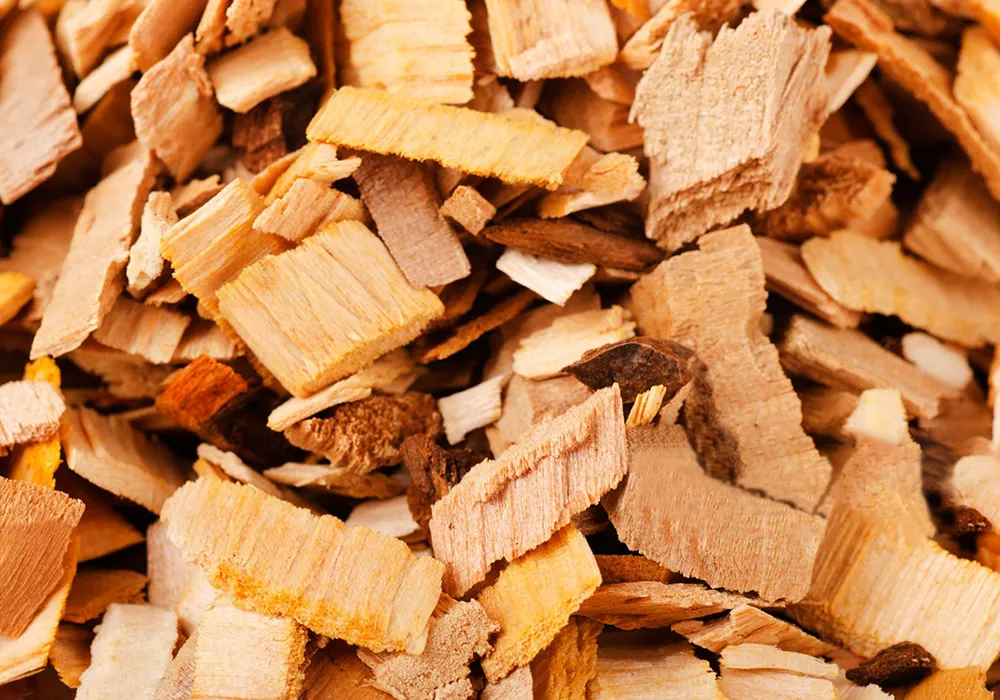
| Wood Processing Residuals | Sawdust, Wood chips, Bark, Planer shavings, Off-cuts | Highest lignin content (25-45%), carbon >50%. Produces biochar with highly developed pores and large surface area (200-500 m²/g), offering top-tier adsorption performance. | Bark contains tannins; pyrolysis temperature should be controlled (<600°C). Never use treated, painted, or preserved wood (risk of heavy metal/toxin contamination). |
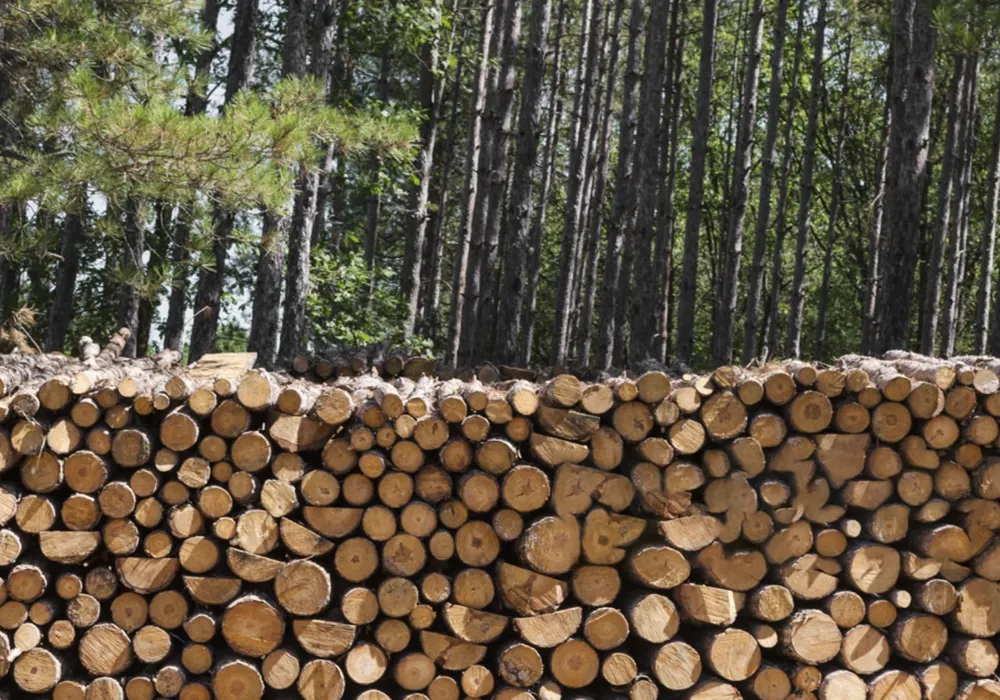
| Forest Management Residuals | Branches, Logging slash, Brush, Leaf litter, Stumps | Widely available but dispersed. Suitable for mobile, on-site pyrolysis units. Leaf litter and branches often have low moisture. | Avoid completely rotten wood (low carbon content). Material must be free of dirt, plastics, or metals to prevent toxic emissions or equipment damage. |
| Wood Industry Byproducts | Paper sludge, Pulp black liquor solids, Particleboard scraps | Pulp residues have very high carbon content (60-70%); resulting biochar is effective for industrial wastewater treatment. | Paper mill byproducts may contain alkali metals; washing may be needed to avoid excessively high biochar pH. Scraps from composite boards must be free of formaldehyde-based glues. |
Forestry & Wood Waste |
||
| Wood Processing Residuals | Forest Management Residuals | Wood Industry Byproducts |
|
Wood chips |
Tree branches |
Paper sludge |
|
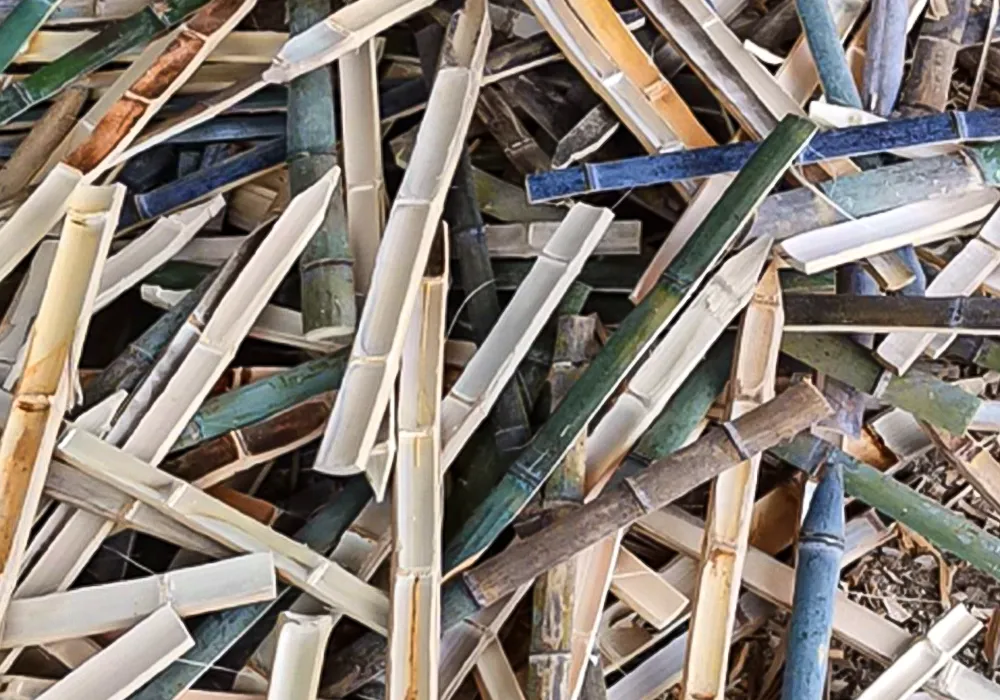
Bamboo slices |
Tree root |
Untreated demolition wood |
|
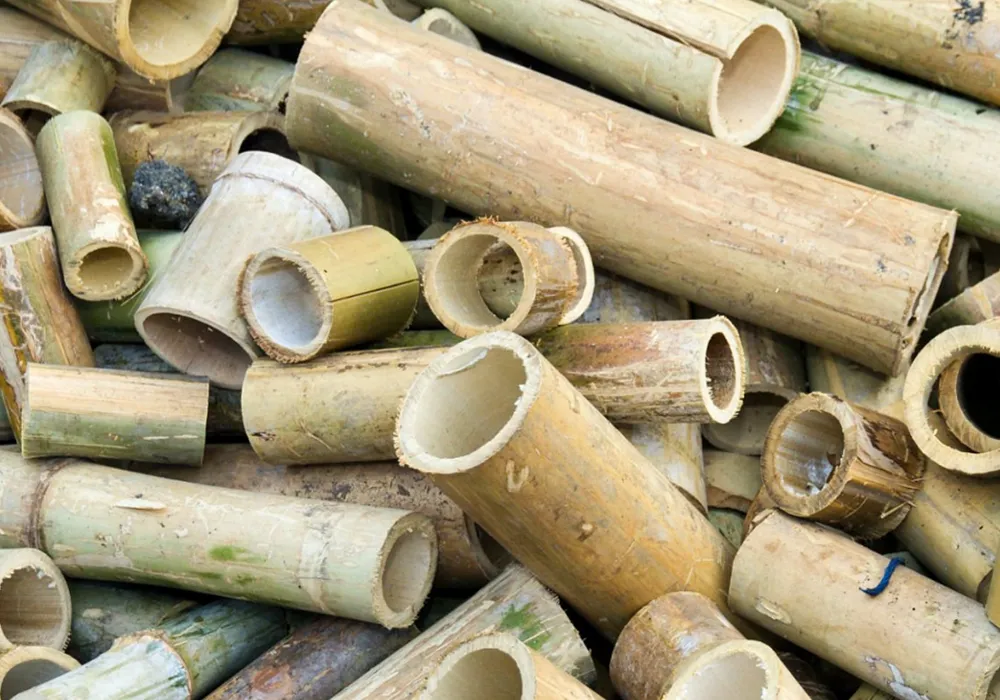
Bamboo processing waste |
Charcoal forest |
|
|
Sawdust |
Logging slash |
|
|
Bark |
Leaf litter |
|
|
Planer shavings |
Thinning wood |
|
|
Wood pellets fines |
||






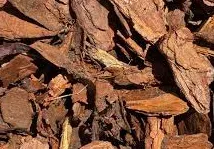

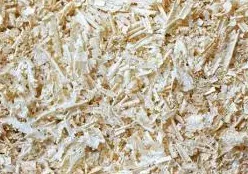

3. Urban & Community Organic Waste: Closing the Loop
Transforming municipal and commercial organic "waste" into biochar epitomizes the circular economy. It diverts material from landfills, reduces methane emissions from decomposition, and creates a valuable product for local use.
| Feedstock Sub-Category | Specific Examples | Characteristics & Pyrolysis Advantages | Important Considerations |
| Yard & Landscape Waste | Grass clippings, Tree trimmings, Leaves, Flower waste | Similar to forestry waste. Consistent pyrolysis yield (35-45%). Ideal for decentralized, community-scale biochar production. | Remove weed seeds to prevent their spread via biochar. Must be carefully sorted to exclude plastics, glass, or other inert waste. |
| Food Processing & Kitchen Waste | Fruit peels/cores, Vegetable trimmings, Spent coffee grounds, Brewery grains, Uncontaminated food scraps | Very high organic matter (50-70%). Biochar is mineral-rich (K, Ca), great for horticulture. Sugary/fibrous waste (fruit, grains) has good pyrolysis yield. | Requires strict pre-processing: dewatering, de-salting, de-greasing, and removal of non-organics (bones, plastics). Only suitable for untreated, additive-free food waste. |
| Other Urban Biowaste | Untreated paper/cardboard, Cotton/linen textile scraps | Paper/cardboard are cellulose-rich, producing porous biochar for low-cost water filtration. Natural fiber textiles have good carbon content. | Avoid: Glossy/printed paper, waxed cardboard, synthetic fabrics (polyester, nylon). Textiles must be cleaned of dyes, zippers, and buttons. |
Urban & Community Organic Waste |
||
| Yard & Landscape Waste | Food Processing & Kitchen Waste | Other Urban Biowaste |
|
Urban furniture waste |
Fruit peels/cores (+) |
Untreated paper/cardboard |
|
Grass clippings |
Brewery grains |
|


CONTACT US
Contact US
Product Information
Quantity
Unit
Piece
Support order samples, customization, wholesale direct, and complete payment. If the product you look for does not have corresponding customized content, pls fill out the form below to contact us, and we will reply ASAP.