


.webp?x-oss-process=image/resize,w_800/quality,q_100)
.webp?x-oss-process=image/resize,w_800/quality,q_100)
Bio Coal Plant: Fueling the Future of Power, Heat, and Green Industry
Feb 11, 2026
Bio Coal Plant: Fueling the Future of Power, Heat, and Green Industry

What is a Bio Coal Plant?
A bio coal plant is an industrial facility providing integrated solutions covering the entire value chain from raw material collection to energy conversion and ash utilization. It possesses systematic integration capabilities, enabling deep integration and intelligent control of biomass pre-treatment, high-efficiency conversion technology, and existing coal-fired power infrastructure.
Through optimized integration of equipment and processes, our bio coal production systems achieve stable and clean conversion of waste materials like straw, reducing carbon emissions and pollution. This aligns with policy incentives such as carbon tax reductions and green electricity subsidies, while also generating tax benefits and additional revenue through the resource utilization of by-products.
What is Bio Coal (Green Biocoal)?
Bio coal, often referred to as green biocoal, is a formed fuel produced from renewable biomass feedstocks like wood chips, bark, and forestry residues through high-temperature compression and modification processes. Its calorific value is comparable to traditional coal, but its full lifecycle carbon emissions are significantly lower.
It serves as a clean alternative fuel, widely integrated into boilers and power generation facilities to enhance combustion stability and energy conversion efficiency. It creates tangible carbon reduction benefits for users, such as qualifying for government clean fuel subsidies, obtaining environmental tax relief, and generating additional income from the sale of carbon offset credits.
Raw Materials for Bio Coal Production
Our bio coal production plant technology is designed to handle a wide variety of biomass feedstocks, converting waste into valuable energy resources.
-
✔️ Forestry Feedstocks & Energy Forests
Timber, branches, roots, bark, sawdust, wood chips, forestry residues, short-rotation coppice (e.g., willow, poplar), waste wood, black liquor.
-
✔️ Agricultural Feedstocks & Crops
Straw (e.g., wheat straw, corn stover), other agricultural plant residues, energy grasses (e.g., Miscanthus, Switchgrass), food crops (e.g., corn, wheat, sugar beet), perennial energy crops.
-
✔️ Agricultural Processing By-products
Rice husks, bagasse, palm kernel shells (PKS), empty fruit bunches (EFB), nut shells (e.g., coconut shells, almond shells).
-
✔️ Organic Waste
Animal manure, food processing waste and residues, municipal green waste, organic fraction of municipal solid waste (OFMSW), sewage sludge, waste vegetable oil and animal fats.
-
✔️ Novel & Potential Feedstocks
Algae (microalgae, seaweed), industrial hemp, non-edible oil plants (e.g., Jatropha).
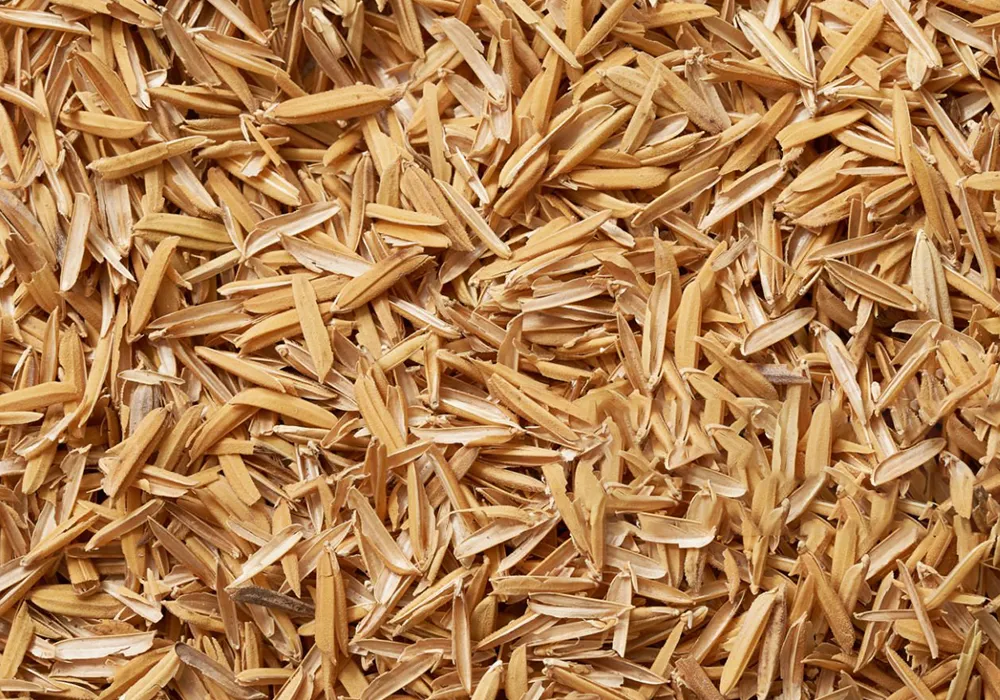
Rice Husk |
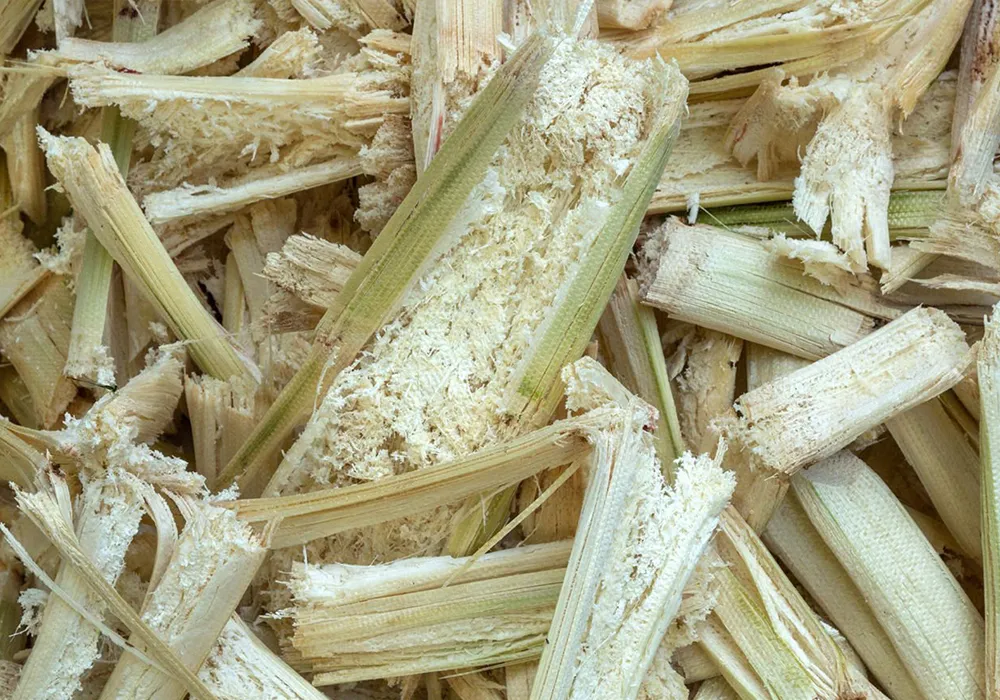
Bagasse |

Palm Kernel Shells |
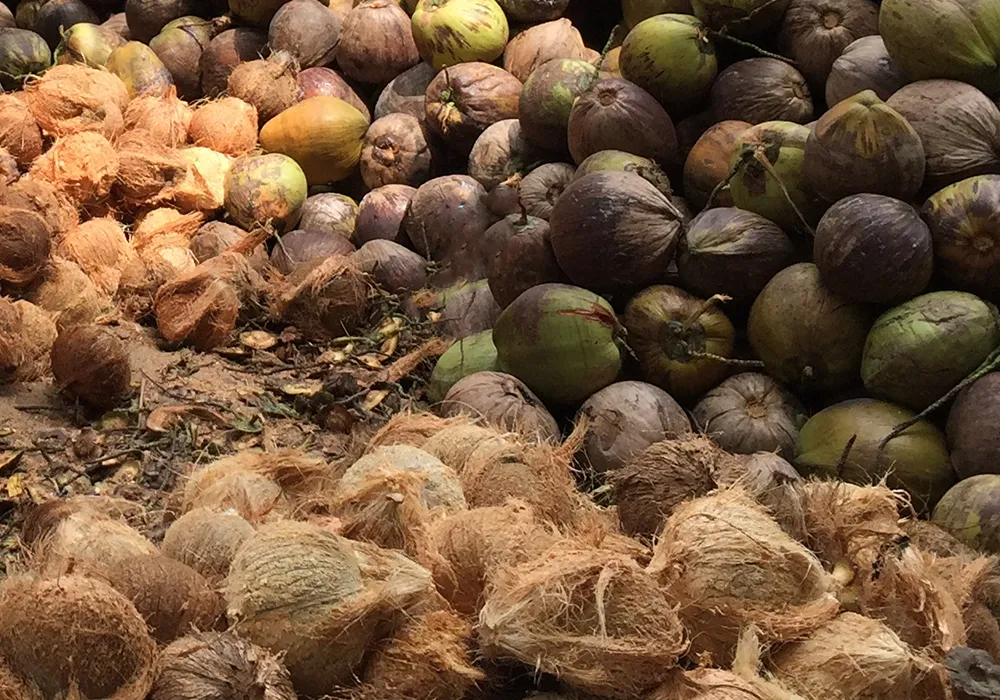
Coconut Shell |

Corn Stalks |

Wheat Straw |

Sugarcane Bagasse |

Miscanthus |

Municipal Green Waste |

Grapevine Pruning |

Hybrid Poplar |

Industrial Hemp |

Poultry Litter |

Horse Manure |

Swine Manure |

Cattle Manure |
Pyrogreen Bio Coal Production Plant Models
To meet diverse client requirements for operational efficiency, working conditions, and green biocoal quality, we offer five models of production equipment.
| Parameter | BRKC600 | BRKC1000 | BRKC1500 | BRKC3000 | BRKC5000 |
|---|---|---|---|---|---|
| Feed Rate | 0.6m³/h (200kg) | 1m³/h (300kg) | 1.5m³/h (500kg) | 3m³/h (1000kg) | 5m³/h (1500kg) |
| Footprint (L x H) | 14m x 10.5m | 15m x 10.5m | 16m x 10.5m | 17.5m x 10.5m | 19m x 10.5m |
| Working Mode | Continuous | ||||
| Feed Requirements | Size ≤ 50mm | ||||
| Kiln Type | Indirect Heating Rotary Kiln | ||||
| Control Mode | PLC Control System | ||||
| Material | SS310S + Carbon Steel | ||||
| Pressure | Micro Negative Pressure | ||||
| Heating Fuel | Diesel | ||||
| Heating Mode | Indirect Heating | ||||
| Noise (dB) | ≤ 80 | ||||
| Cooling Mode | Circulating Water Cooling | ||||
| Rotation Mode | External Gear Rotation | ||||
For further technical data on our bio coal production plants or customized solutions, please contact us for more detailed information.
Technological Breakthroughs in Bio Coal Production
1. Integrated Continuous Pyrolysis Process
Seamless material flow from feeding to biochar output via rotary kiln carbonization furnace, eliminating batch processing bottlenecks in the bio coal plant.
2. Efficient Carbonization & Instant Cooling
Uniform pyrolysis in controlled atmosphere followed by rapid water-jacket cooling to preserve green biocoal pore structure and quality.
3. Internal Energy Recycling System
Waste heat boiler and induced draft fan recover thermal energy from pyrolysis gases, converting it to usable steam/heat for the production line.
4. Emission Control & Closed-Loop Process
Complete closed-loop system from raw material to product with treated emissions meeting stringent environmental standards.
Core Advantages of Our System
-
⏺ Modular Concept
Easy transportation and installation with flexible configuration options for any bio coal plant site.
-
⏺ Fully Automated
Minimal manual intervention required for consistent bio coal production.
-
⏺ Extremely Low Emissions
NOx, CO, and particle emissions significantly reduced compared to traditional methods.
-
⏺ High Efficiency
High thermal efficiency with premium biochar quality and quantity production.
-
⏺ No Tar/Liquid Waste
Clean process without problematic by-products requiring disposal.
Market Value of the Final Product
Bio Coal (Green Biocoal / Torrefied Biomass)
Bio coal is a solid fuel produced from agricultural residues, forestry waste, and other biomass through drying, compaction, or pyrolysis. It serves as a substitute for fossil coal and charcoal and is projected to hold a significant share in carbon reduction markets from 2026 onward.
Since 2020, carbon credit prices related to biomass energy have shown notable growth and differentiation, establishing Bio Coal as a viable option for industrial decarbonization. Its carbon reduction benefits are based on carbon absorption during biomass growth and low net emissions during combustion, aligning with circular economy principles.
Economic Value Outlook
As an upgraded form of industrial white pellets, Bio Coal (torrefied pellets) commands a market price that fully reflects its higher energy density and superior physical properties. Its estimated delivered price in Europe is approximately USD 278 per metric ton.
This price includes thermal premium (higher calorific value: 21-23 GJ/ton vs 17 GJ/ton for white pellets) and property premium (hydrophobic nature enables outdoor storage, saving 15-20% in logistics and storage costs).
Key Application Areas
Industrial Production
Fuel and raw material substitute for fossil fuels in energy-intensive industries like steel and chemicals.
Power Generation
Co-firing with coal in existing plants (5-20% blend ratios) for cost-effective decarbonization.
Heating
Renewable heat source for district heating, industrial steam boilers, and residential heating.
Other Fields
Soil amendment, carbon-based fertilizers, industrial adsorbents, and building materials production.
Bio Coal Production Process
1️⃣ Raw Material Feeding & Conveying
Biomass feedstock is fed into the system via the Pyrogreen feeding device and transported continuously and steadily by a belt conveyor to the inlet of the rotary kiln carbonization furnace, preparing it for pyrolysis.
2️⃣ Pyrolysis & Carbonization
Inside the rotary kiln, the material undergoes high-temperature carbonization. The syngas and high-temperature exhaust gases are directed into the waste heat boiler, where thermal energy is recovered. The system controls airflow via a blower and induced draft fan.
3️⃣ Bio Coal Cooling & Discharge
The high-temperature biochar immediately enters the water-jacket cooling screw conveyor for rapid cooling via a circulating water system maintained by a cooling tower. The cooled final product is discharged via the biochar discharge device and conveyed to storage silos.
4️⃣ Emission Control & Heat Recovery
The system utilizes a complete closed-loop design. Exhaust gases are treated to remove particulates and harmful components before being discharged via the chimney, strictly meeting environmental standards, while waste heat is recycled back into the drying or carbonization process.
Equipment Component Advantages
Our bio coal production plant is composed of high-grade components designed for longevity and performance.

Rotary Kiln Carbonization Furnace
Core carbonization unit with precise temperature control and rotating design for uniform heating.
Biochar Discharge Device
Reliable structure for smooth discharge with minimal dust emission and heat loss.
Blower
Provides stable, controllable combustion air supply for complete combustion and uniform temperature.
Water Jacket Cooling Conveyor
Rapidly reduces biochar temperature during conveyance to prevent oxidation or self-ignition.
Waste Heat Boiler
Efficiently recovers waste heat from flue gases, converting it to usable steam or hot water.
Induced Draft Fan
Precisely regulates system negative pressure and flue gas flow rate for process stability.
Pyrogreen Turnkey (EPC) Services & Support
Leveraging our expertise in environmental carbonization and torrefaction systems, Pyrogreen offers full lifecycle Engineering, Procurement, and Construction (EPC) turnkey services for bio coal production plants.
Project Planning & Design
Holistic solutions including feedstock assessment, process selection, plant layout planning, and carbon removal project framework design.
Delivery & Construction
High-quality modular equipment supply, on-site installation, commissioning, training, and supporting infrastructure construction.
Operation & QC
Continuous technical support, process optimization, quality control systems, and production data tracking implementation.
Our Service Commitment
- ⏺ 24/7 Consultation: Free round-the-clock consultation via email, phone, website contact form, WhatsApp, and WeChat.
- ⏺ Customized Design: Tailored manufacturing to meet diverse client needs regarding color, dimensions, capacity, and specifications.
- ⏺ Technical Support: Free technical consultation with necessary design drawings including layout, foundation, and electrical plans.
- ⏺ After-Sales Warranty: On-site installation assistance, regular performance feedback, spare parts replacement, and free software upgrades.
Ready to Transform Biomass into Clean Energy?
Contact our experts today to discuss how a green biocoal plant can benefit your operation, reduce emissions, and generate new revenue streams.
CONTACT US
Contact US
Product Information
Quantity
Unit
Piece
Support order samples, customization, wholesale direct, and complete payment. If the product you look for does not have corresponding customized content, pls fill out the form below to contact us, and we will reply ASAP.