


.webp?x-oss-process=image/resize,w_800/quality,q_100)
.webp?x-oss-process=image/resize,w_800/quality,q_100)

Exploring the Diversified
Application Value of Biocarbon
A high-purity, solid carbon-based product refined from biomass through oxygen-limited pyrolysis. It has high fixed carbon, low ash and volatile matter, excellent porosity, and adsorption properties.
1. Boiler Fuel and Co-Firing
Direct use of bio-oil in industrial or power plant boilers to generate steam and electricity is the most straightforward application with relatively low technical barriers.

Research indicates that bio-oil can replace heavy fuel oil for industrial process heat and electricity generation. A key integration strategy is co-firing. Bio-oil can be mixed with heavy oil, diesel, or even coal in existing boilers to partially replace fossil fuels and reduce greenhouse gas emissions.
2.Hydrogen and
Syngas Production
Due to its high oxygen content, bio-oil is an idealfeedstock for hydrogen and syngas production.Through steam reforming or partial oxidationprocesses, bio-oil can be efficiently converted intosyngas rich in H2 and CO. The advantages of thispathway include:


Bio-oil, being a liquid, is easier to control in terms of delivery, feeding, and atomization compared to solid biomass, simplifying gasifier design.

The resulting syngas is a platform molecule in the chemical industry, enabling the production of ammonia, methanol, Fischer-Tropsch fuels (such as biodiesel, aviation fuel), and other high-value products.

3. Extraction and Synthesis of
Platform and Fine Chemicals
Bio-oil contains a rich variety of phenolic, aldehyde, ketone, and organic acid compounds, all of which can be used as starting materials for producing high-value chemicals.
Valorization of Bio-Oil
Phenolic Compounds
Lignin-derived phenols are an important component of bio-oil and can be used to produce resins, adhesives, and phenolic foams.

Organic Acids
Mainly acetic acid and formic acid, which can be used as industrial solvents or further processed into chemical raw materials such as acetic anhydride.

Sugar Derivatives
Dehydrated sugars (e.g., levoglucosan) produced from the pyrolysis of cellulose and hemicellulose are potential precursors for platform chemicals such as furfural and 5-hydroxymethylfurfural, which can be further converted into fuel additives, polymer monomers, and more.

Fragrances and Fertilizers
Specific flavor compounds and nitrogen-containing chemicals also have extraction value.

4.New Materials
Preparation

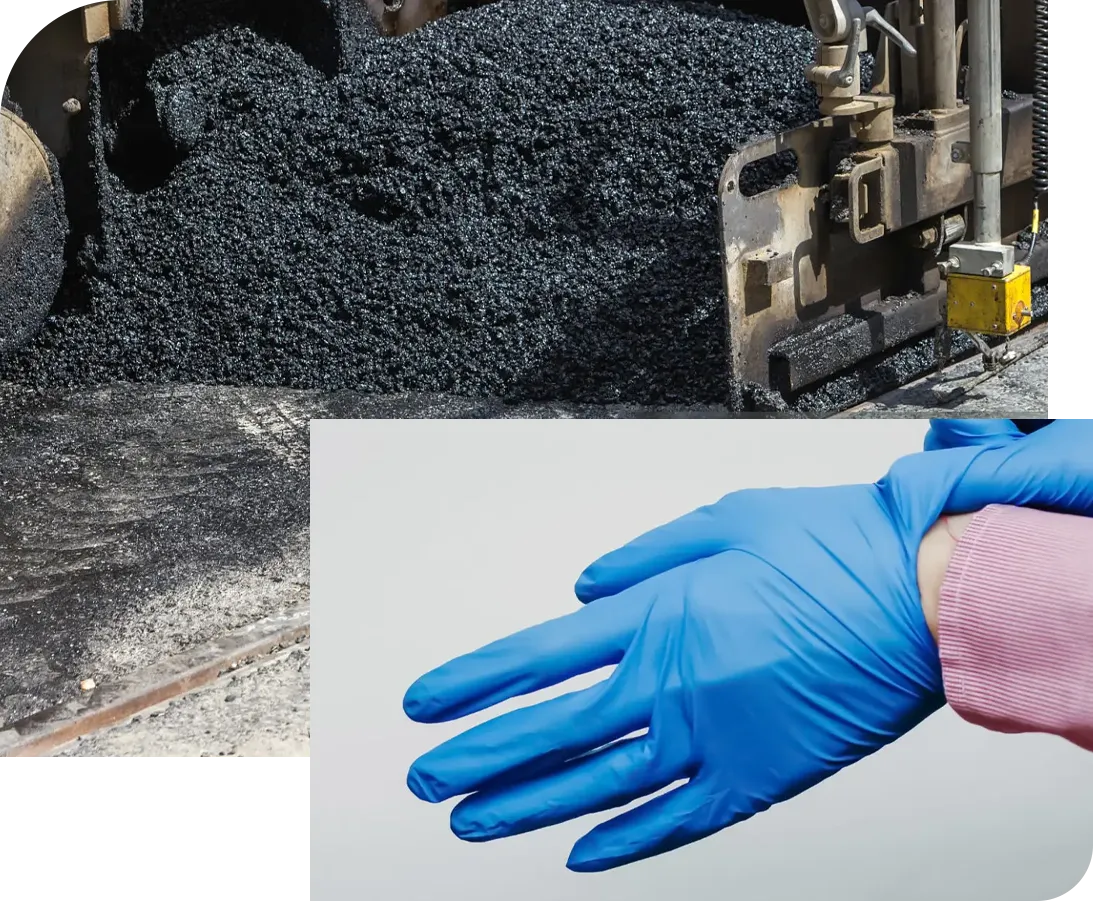
Asphalt Modifiers:
Research is exploring the use of bio-oil for modifying road asphalt, improving performance, or partially replacing petroleum-based asphalt.

Rubber and Lubricants:
Studies have looked into using rice husk pyrolysis bio-oil for rubber compound mixtures, as well as applying pyrolysis bio-oil in the preparation of lubricating bio-lubricants.
CONTACT US
Contact US
Product Information
Quantity
Unit
Piece
Support order samples, customization, wholesale direct, and complete payment. If the product you look for does not have corresponding customized content, pls fill out the form below to contact us, and we will reply ASAP.