


.webp?x-oss-process=image/resize,w_800/quality,q_100)
.webp?x-oss-process=image/resize,w_800/quality,q_100)

Exploring the Diversified
Application Value of Biocarbon
A high-purity, solid carbon-based product refined from biomass through oxygen-limited pyrolysis. It has high fixed carbon, low ash and volatile matter, excellent porosity, and adsorption properties.
Applications:

One biomass resource can be transformed into three different futures



1.High-Temperature Metallurgical Biocarbon
The metallurgical industry demands carbon-based reducing agents with high mechanical strength, high fixed carbon content, low volatile matter, and high reactivity. To meet these requirements, biocarbon used in metallurgy is typically pyrolyzed at temperatures ≥900°C, or even higher.


2.Building Materials: Constructinga
Sustainable Carbon-NegativeFuture
Integrating high-temperature metallurgical biocarbon into buildingmaterials offers a revolutionary approach for carbon sequestrationand functional upgrades in the construction industry. Its high stabilityallows the fixed carbon to be safely stored in buildings for hundredsof years, transforming the structure from a carbon emission sourceinto a long-term carbon sink. Due to its high hardness and stiffness,high-temperature metallurgical biocarbon is an ideal reinforcingfiller, improving the performance of cement-based or polymer-basedcomposite materials.

3.Energy Storage and Conversion:
Empowering Green Energy Technologies
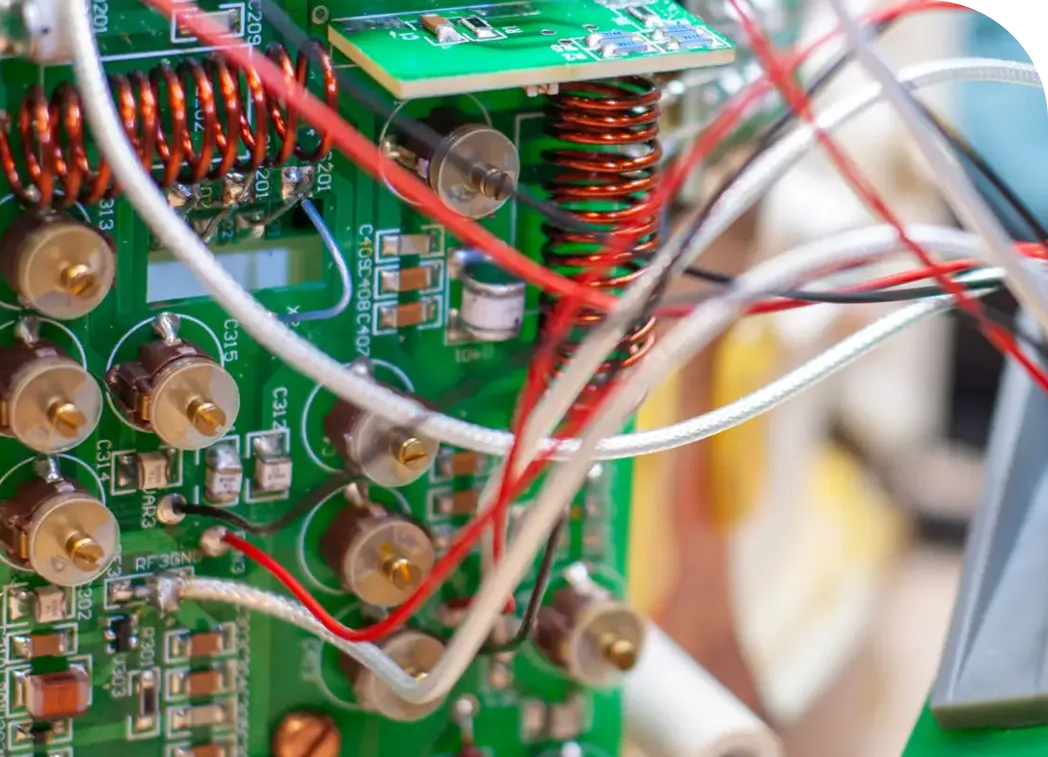
The highly graphitized structure and excellent conductivity of high-temperature metallurgical biocarbon show great potential in the energy storage and conversion fields, especially as advanced electrode materials.
Degree

Conductivity

As a high-performance electrochemical energy storage electrode, pyrolysis at ≥900°C significantly improves the graphitization degree and electronic conductivity of the biocarbon, which is key to enabling fast charging and discharging. While the extreme temperature may decrease surface area, the ability to build a conductive network is its unique advantage.
2.Building Materials: Constructinga
Sustainable Carbon-NegativeFuture
Integrating high-temperature metallurgical biocarbon into buildingmaterials offers a revolutionary approach for carbon sequestrationand functional upgrades in the construction industry. Its high stabilityallows the fixed carbon to be safely stored in buildings for hundredsof years, transforming the structure from a carbon emission sourceinto a long-term carbon sink. Due to its high hardness and stiffness,high-temperature metallurgical biocarbon is an ideal reinforcingfiller, improving the performance of cement-based or polymer-basedcomposite materials.

5. Environmental
Remediation: Addressing
Severe Pollution Challenges
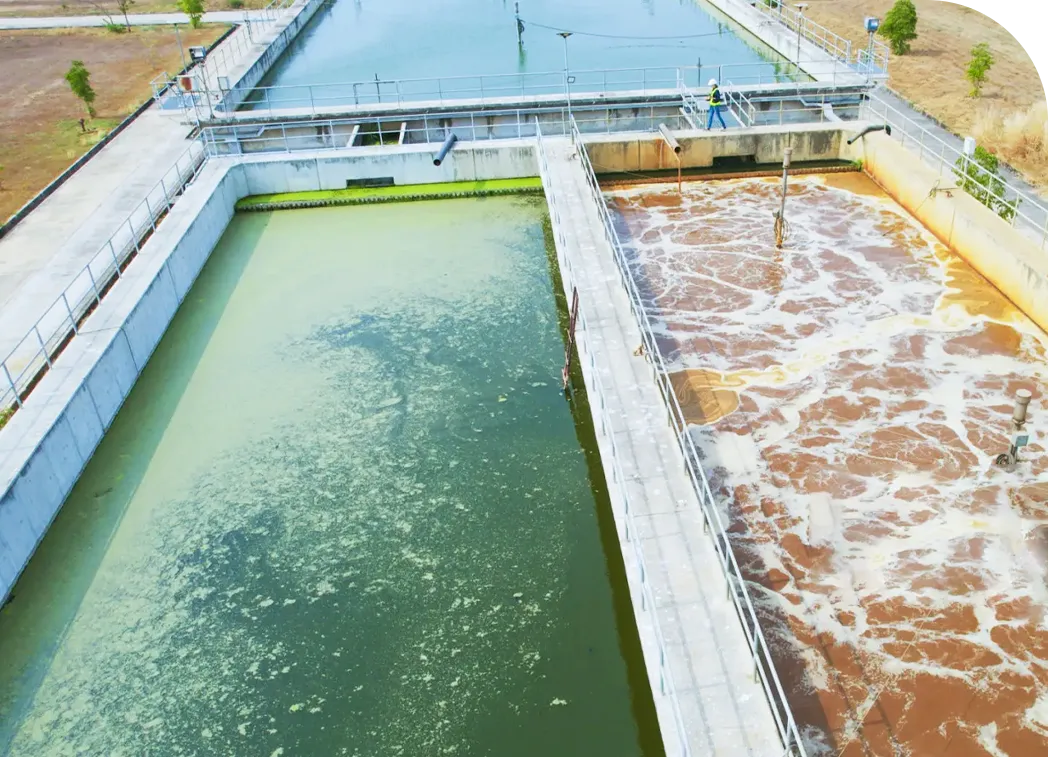
The stable physicochemical properties and unique surface characteristics of high-temperature metallurgical biocarbon give it a unique advantage in treating difficult-to-degrade industrial wastewater and complex air pollutants.
CONTACT US
Contact US
Product Information
Quantity
Unit
Piece
Support order samples, customization, wholesale direct, and complete payment. If the product you look for does not have corresponding customized content, pls fill out the form below to contact us, and we will reply ASAP.