


.webp?x-oss-process=image/resize,w_800/quality,q_100)
.webp?x-oss-process=image/resize,w_800/quality,q_100)




Enhanced Crop Yield and Quality with
Biochar Amendment
Pepper Quality Improvement Results:
- Fruit yield: +58%
- Vitamin C content: +73%
- Soluble protein: +60%
- Capsaicin content: +27%
Biochar:
Enriching Soil, Sequestering Carbon
Porosity and C stability
Surface reactivity
Nutrients supplement
……?

Biochar improves soil structure, enhances water and nutrient retention, and supports beneficial microbial activity, leading to healthier and more fertile soils. At the same time, its stable carbon structure enables long-term carbon storage, making soil improvement a measurable pathway for carbon removal.

By loosening compacted soils and regulating moisture, nutrients, and pH, biochar promotes robust root development and more efficient nutrient uptake. The carbon stabilized within biochar remains locked in the soil over long timescales, linking improved crop productivity with verified carbon removal outcomes.

Biochar helps balance nutrient availability while immobilizing heavy metals and harmful residues, improving crop quality, resilience, and storage performance. Through its dual role in agronomic enhancement and permanent carbon sequestration, biochar supports the transition toward climate-positive and regenerative agriculture.
Pepper Quality Improvement Results:
Demonstrated at the 2020 G20 Summit
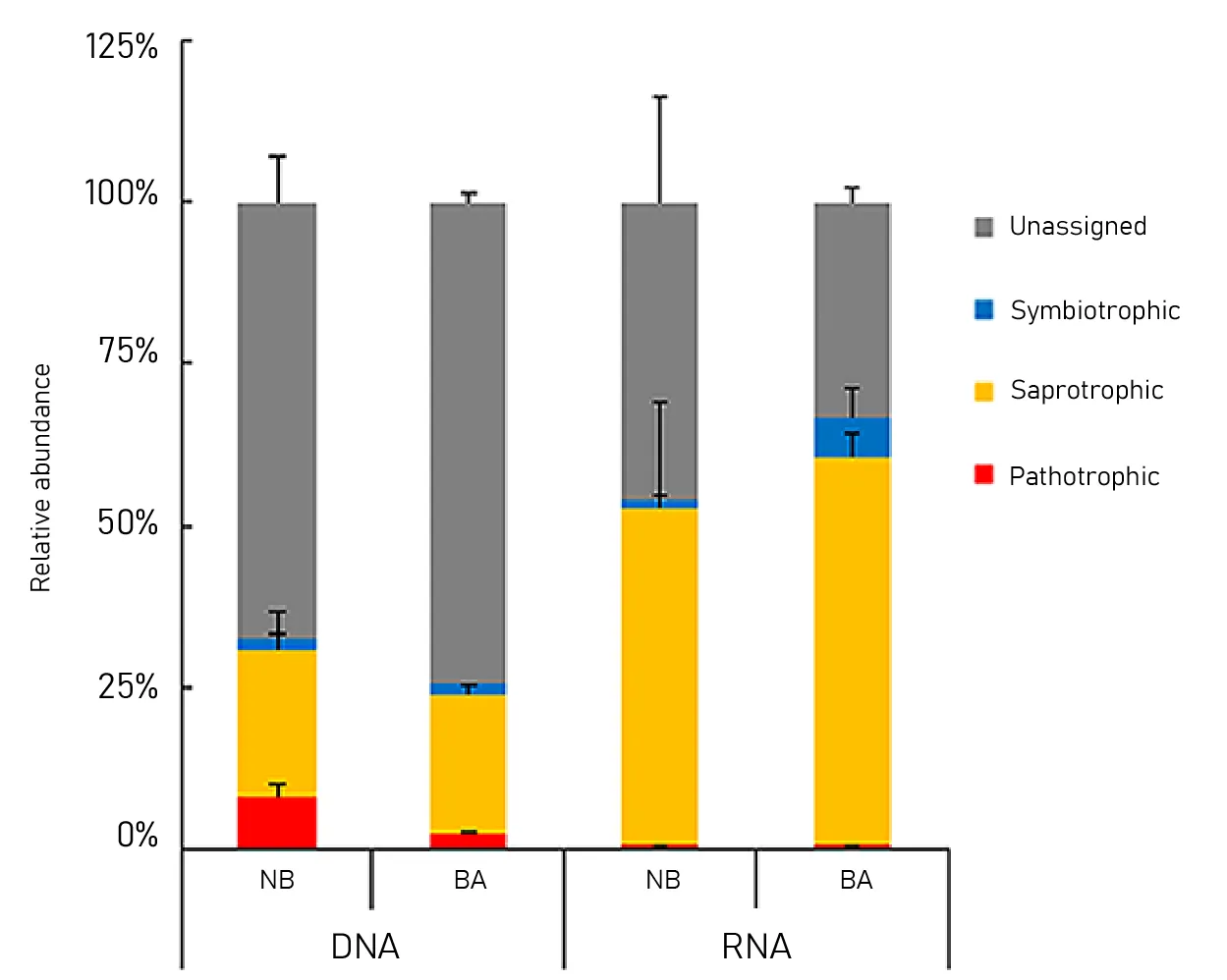
Biochar applied in 2009, site revisited in 2015
Observed outcomes:
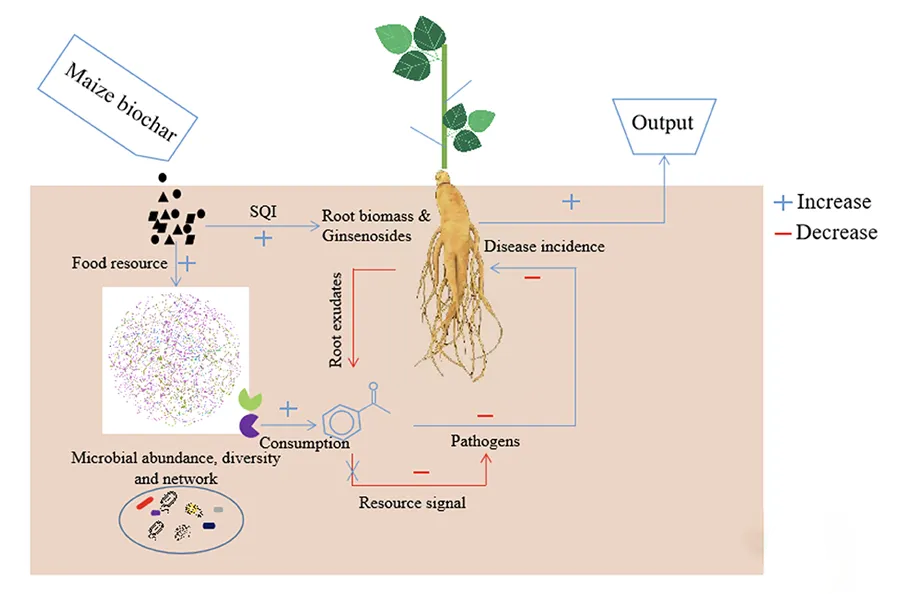
Key ecological effects include:
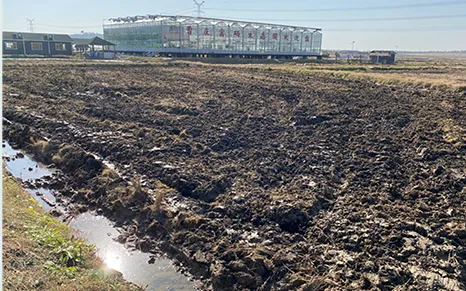
Biochar based net zero carbon rice agriculture under test
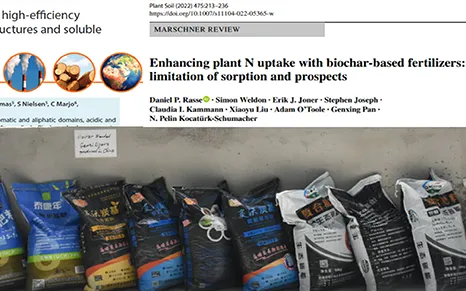
Biochar-based fertilizers will be increasingly applied in food production
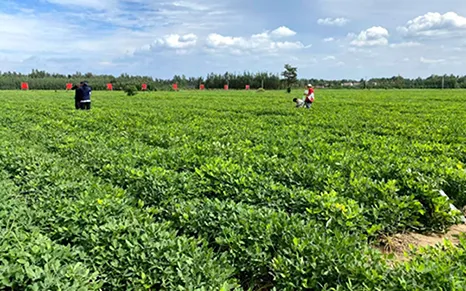
Drought tolerance of oil peanut with biochar in a Primisol
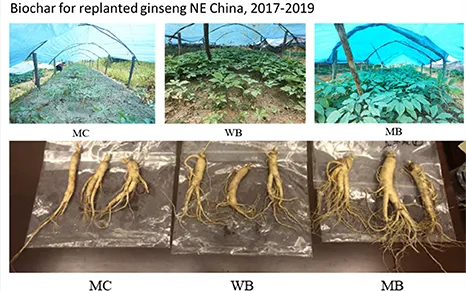
DOM and small size bio-molecules matters

Product Information
Quantity
Unit
Piece
Support order samples, customization, wholesale direct, and complete payment. If the product you look for does not have corresponding customized content, pls fill out the form below to contact us, and we will reply ASAP.

